Is This Post for You?
- You break out more in summer — even when your diet and routine stay the same
- The bumps are small, uniform, and appear on your forehead, chest, or upper back
- You exercise regularly, or you live somewhere that gets hot and humid
- You shower after workouts but still wake up with new bumps the next day
Opening Scene
It’s 7:30 PM. You finished your run an hour ago. You showered. You changed. Your skin feels clean.
But your forehead is already doing the thing — that tight, slightly textured feeling that shows up two days later as a cluster of small bumps you didn’t earn.
You did everything right. The problem started before you got in the shower.
The One-Line Structural Problem
Most people treat heat as a comfort issue, not a skin biology issue. You cool down, you shower, you move on. But your skin doesn’t reset that fast — and the organism taking advantage of that window doesn’t need long. The breakout you’re seeing isn’t from the heat itself. It’s from what heat does to the conditions on your skin, and how long those conditions last after the heat is gone.
The Mechanism
The organism in question is Malassezia — a lipid-dependent yeast that lives on virtually every human scalp, face, and chest. At normal skin temperature, it exists at low, manageable levels. It isn’t a problem. It’s just there.
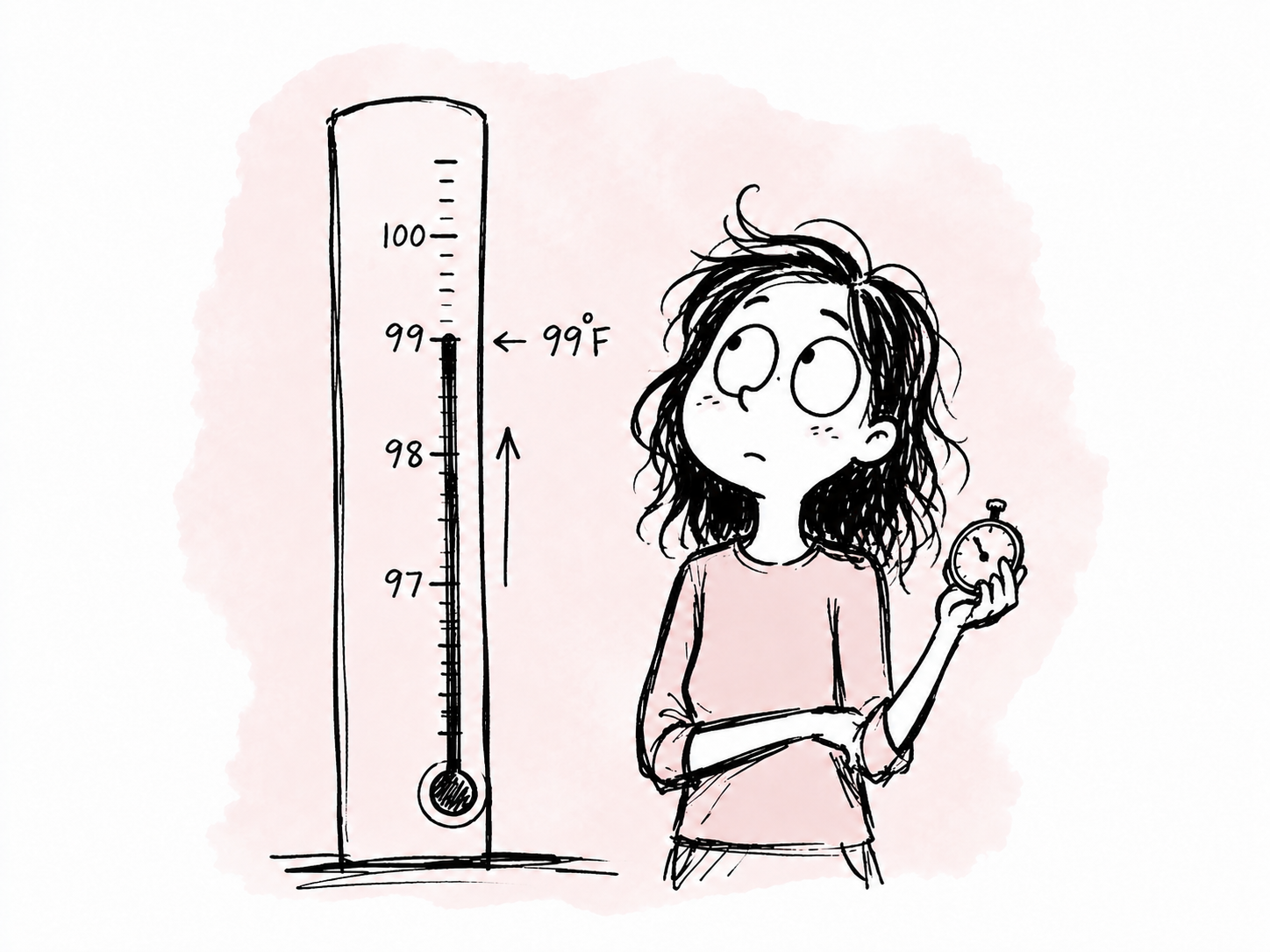
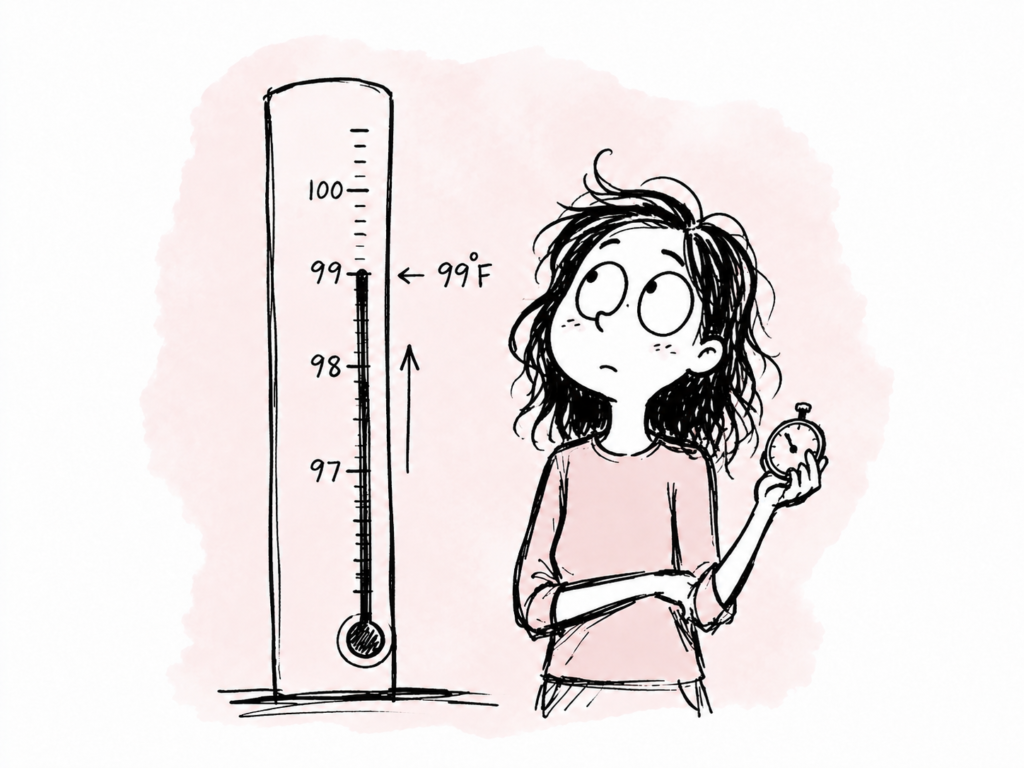
The issue is that Malassezia is thermophilic. It multiplies faster as temperature rises — and your skin surface stays elevated well past the moment you feel cool again. After moderate exercise, skin temperature remains between 99–101°F for 20 to 40 minutes post-shower, even in air-conditioned environments. During that window, Malassezia has everything it needs: warmth, sweat-derived fatty acids to feed on, and an occlusive environment if you’ve put on a shirt.
Think of it like a proofing drawer for bread dough. The yeast doesn’t need to be activated by the heat — it’s already present. The heat just tells it to go.
There’s a second layer: sweat shifts your skin’s pH. Healthy skin sits between 4.5 and 5.5 — slightly acidic, which keeps microbial populations balanced. Sustained sweating pushes that pH toward 6.0 to 7.0. At that range, Malassezia proliferates more aggressively, and your skin’s natural antimicrobial defenses weaken. The shower clears the sweat. It doesn’t immediately restore the pH.
The bumps you see two days later are follicular inflammation — your skin’s response to Malassezia overgrowth that was set in motion before you dried off.
Heat + sweat + time = the fungal acne trifecta. The shower doesn’t stop it — it starts before you get there.
Three Things to Do Today
- Don’t put a shirt on immediately after your shower. Give your skin 10–15 minutes to actually cool and dry before covering it. Clothing over warm, damp skin creates an occlusive environment that extends exactly the conditions Malassezia thrives in. Air exposure matters.
- Rinse with cool water as the final step of your post-workout shower. Not ice cold — just below neutral. This helps bring skin surface temperature down faster and supports a quicker return to acidic pH. A 30-second cool rinse at the end costs nothing and shortens the window.
- Check where the bumps appear and note the timing. If they show up 24–48 hours after workouts specifically on your forehead, chest, or upper back — those are the highest-sweat-density zones — that’s a pattern, not a coincidence. Log it three times before drawing conclusions.
CTA
Not sure if heat is your only trigger?
Skin patterns are rarely one cause. Answer 19 questions and get a full picture of what’s likely driving your breakouts.
**Take the Free Skin Quiz → astica.com**
Identify first. Treat second.
One Closing Question
Do your breakouts follow your workout schedule — or do they show up regardless of whether you exercise that week?
References
- Prohic, A., et al. (2016). Malassezia species in healthy skin and in dermatological conditions. International Journal of Dermatology, 55(5), 494–504.
- Tur, E., et al. (1995). Functional skin temperature measurements during exercise. Skin Research and Technology, 1(2), 61–63.
This content is for educational purposes only and does not replace professional medical advice. Always consult a board-certified dermatologist for diagnosis and treatment.